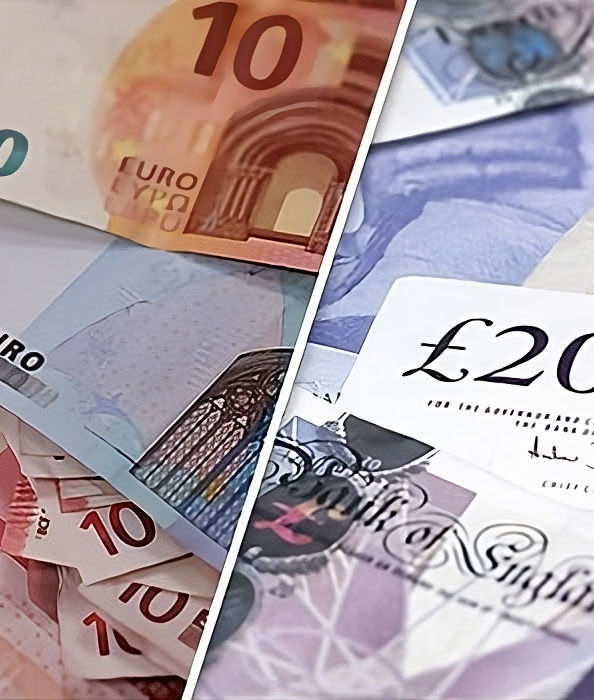
The Top 10 Tips For Current Currency Exchange Rates
In today's world economy, knowing the current exchange rates is essential to be able to plan your finances effectively regardless of whether you're travelling abroad, conducting international business, or managing investments in foreign currencies. Exchange rates can affect costs, pricing and investment decisions in significant ways. Changes in exchange rates could influence the budget for travel, impact the efficiency of transactions in business, and alter the value of your portfolio of investments. Take a look at the top ten suggestions below to help you get through these complex issues.
1. Real-time exchange rates to help you stay informed
For making educated choices regarding currency conversion It is vital to keep up-to-date with the current exchange rates. To get the most current rates, look up credible websites for financial services, currency conversion apps, or the bank's website services. Websites like XE.com or OANDA provide current information that helps companies and travellers budget effectively. For example, if you're planning an excursion to Europe and are aware of the current rate of exchange for euro can help you manage your expenses and avoiding surprises.
2. Understand the Bid-Ask Spread
The bid-ask spread is the difference between the amount that you pay to purchase currency (ask rate) and what you can charge to sell the currency (bid rate). The spread can vary significantly between financial institutions and exchange service. The spread will be smaller when you exchange currencies. If a bank is willing to exchange USD to EUR with a bid of 1,10 and an asking price of 1,15, the spread will be 0.05. It is easier to make better choices if you are aware of the spread.
3. Utilize Online Currency Conversion Tools
Tools for currency conversion online and apps are a must for managing exchange rates effectively. Wise and Revolut for instance, not only offer live currency rates, but also let you to exchange currencies with low costs. These platforms typically offer options like rate alerts as well as historical data, which will help you identify trends and take quick decisions. For instance, if you're checking the rate of conversion between USD and JPY it is possible to set up an alarm that will warn you about a favorable exchange rate.
4. Review the impact of currency risk on Business and Investments
Risk of currency, also known as exchange rate risk, could affect international business profits and investment returns. Changes in exchange rates can alter the value for contracts, sales or investments. Hedging strategies can be used to reduce the risk. They involve the use of financial instruments to lock exchange rates into future transactions. For instance, if you're an enterprise that imports products from Europe it could be possible to use a forward contract to ensure that you are locked in to the exchange rate at present, protecting your profit margins from fluctuations that aren't favorable.
5. Inquire About Fees and Charges
Different banks or currency exchange providers charge different charges for the conversion of currencies. These charges could comprise transactional charges, service costs, and commissions. These can reduce or increase the amount you receive from your travel. Be sure to ask about any additional charges prior to making an exchange. Consider using international ATM cards and credit cards with no fees for foreign transactions. Examining the exchange and fees rates from different providers can assist you in locating the best bargain.
6. Timing Your Currency Exchange
The timing in which you exchange your currency can affect the amount of money that you get. Values of currencies can fluctuate based on economic developments as well as geopolitical concerns and market sentiment. Be aware of these variables to help determine the ideal moment to convert currencies. For example, if the country is scheduled to release positive economic figures the currency could strengthen which is why it's a good idea to delay converting before making the switch. If you are up-to-date with global news and market trends travellers and investors will be able to make better financial decision.
7. Diversify your currency holdings
Diversifying your currency holdings can protect your from fluctuations in currency. The holding of multiple currencies can serve as an insurance against the effects of negative movements in a single currency. This strategy works well for companies operating across multiple international markets. They can use it to be more flexible with their pricing and payments. For instance, a U.S. investor, for example, might consider investing in euros and British pounds, so that he will benefit from appreciation in currency. Diversification helps reduce the volatility of currencies.
8. Use Local Currency for Travel
When you travel abroad, always aim to use the local currency for transactions. If you pay in your home currency then it's likely that the exchange rate will be unfavorable and there will be additional fees. The price of paying with this currency can rise. If you want to withdraw cash, you will benefit from lower rates when using local currency as ATMs offer rates that are more competitive than exchanges. Before you travel, do some research on the currency of your destination and familiarize yourself with common exchange rates so that you don't overpay on your travels. This will allow you to better manage your budget.
9. Research Economic Indicators
Economic indicators such as inflation rates, interest rates, and GDP can be used to forecast changes in the currency. In this case one, a currency weaker against another country may be affected by high inflation nation. Knowing these indicators of economics can help business owners and investors make better choices regarding investment or currency exchange. Becoming informed of the latest economic trends and forecasts can help you navigate the market for foreign exchange efficiently. Reports and calendars on economics can be useful in tracking these.
10. Speak with financial experts before making large transactions
If you're dealing with huge sums of money or complicated transactions, the guidance of expert financial analysts or currency analysts are extremely helpful. They can offer a specific advice based on your particular circumstance and assist you through the complicated international market for foreign exchange. This is crucial, particularly for companies that engage in international trade or for investors looking to lower their currency risk and optimize their exposure. Consult with experts to make informed decisions that could save you money in the future.
You can get through the confusing exchange rates by following these suggestions. This is the case whether you're in charge of your own business or investing, planning a trip or managing your finances. Staying informed about currency conversions and being a strategic thinker will help you get more financial success and make more effective international interactions. Understanding the exchange rate nuances can assist you in making more informed financial decisions that are in line with your personal or professional goals. Follow the top a knockout post for USD to AUD for website examples including aed to usd, euro to dollar conversion, usd to pkr, dollars to pounds, mexican peso to usd, us dollar in indian rupees, dollar to php peso, us dollar to colombian peso, dollar to php peso, usd to cop and more.
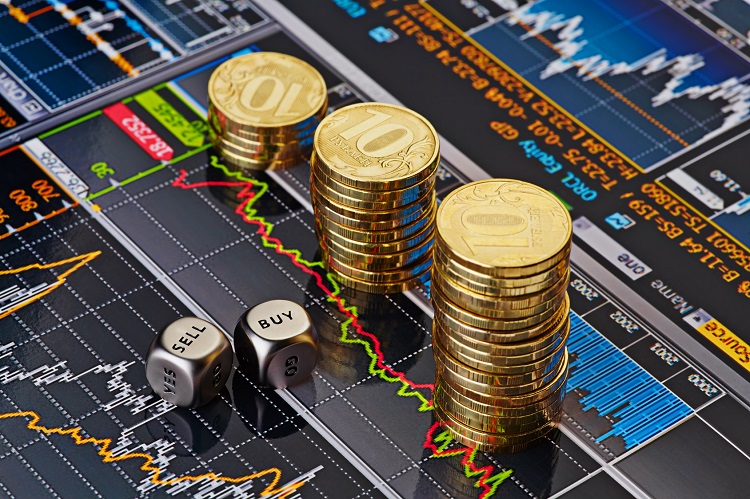
Top 10 Suggestions For Rates And Exchange Rates
These limits are vital for financial transactions. They can be used for investments, or business transactions. These limits are the maximum amount of cash you are able to be transferred within a specific time. Most of the time, these limits are set by payment processors, banks and financial institutions. Understanding your transaction limits is vital to optimize your financial strategies, and avoid delays or fees. Limits on transactions can affect the cash withdrawals you make or purchases you make in foreign countries. Business owners can utilize them to influence cash flow and payment processing. Investors must be aware of the limits on transactions for buying or selling assets. Below are the top ten specific tips to effectively manage the limits of transactions in your financial dealings.
1. Know Your Bank's Transaction limit
Typically, each bank or financial institution has set limits for transactions like purchases, transfers, as well as withdrawals. It is important to be aware of these limits prior to traveling or performing large transactions. This can assist you in planning and managing your finances better, and help you avoid any problems when you attempt to transfer funds abroad or purchasing items. Your account limits can be found on the site of your bank or by contacting their customer service.
2. Plan to Withdraw Cash When traveling
If you're traveling make sure you plan your cash withdrawals to keep within your bank’s transaction limit. Knowing your daily limit on cash withdrawals can help you determine how much cash you'll need to take on your trip. Make sure you don't run out of cash through numerous large withdrawals. Also, you should be prepared with a backup option for cash in case your withdrawal limit is reached.
3. Utilize Multiple Payment Methods
When limits on transactions are in effect, relying solely on one method of payment is dangerous. To ensure you always have money available, use the combination of debit and credit cards as well as cash and mobile payment applications. This strategy helps you avoid exceeding the limits of transactions for one account. This also lets you be flexible in managing your finances when travelling or doing business.
4. Be aware of your transaction activity regularly
Check your transaction activity frequently to keep track of your spending. This will ensure that you don't overspend your budget. Many banks provide mobile applications that allow you to keep track of your transactions in real time. This provides you with understanding of your balance as well as any fees that might have been incurred. Watching your account activity will assist you in better managing your the finances and reduce unexpected costs when you make purchases.
5. Be sure to inquire about limits for international transactions
If you are planning to conduct international purchases or withdrawals, inquire with your bank about their policies concerning the limit of international transactions. Certain banks have stricter limits for foreign transactions. This could make it difficult to withdraw money or purchase goods while you are abroad. Knowing these restrictions will aid you in planning your trip and prevent interruptions during your travels.
6. You might want to consider using alerts on transactions
– Many financial institutions and banks offer alert systems that notify that you're nearing your transaction limits or if a transaction takes place. You can control your finances more effectively by setting up these alerts. They can also stop you from going over the limit. This feature is especially helpful for travellers who might be more susceptible to getting lost during travel.
7. Be aware of daily and monthly limitations
Limits for transactions are determined by different time periods, such as daily limits or a monthly limit. As an example you might find that your bank allows you to withdraw a specific amount per day, while imposing limits for monthly transactions. Understanding these timespans can help to plan your transactions and ensure that you can access funds when you need them, but not exceeding the limit.
8. Contact Your Bank About Temporary Cap Then Increase
Consider consulting your bank to see whether there are any short-term limits that can be increased. Many banks are willing to allow requests for larger limits if you provide an explanation that is valid, for example, a trip planned or an important purchase. Ask your bank for any documentation needed and your needs prior to.
9. Review Payment Platform Limits
If you make use of payment services such as PayPal, Venmo, or other ones, remember that these platforms also set restrictions on transactions. The maximum amount of transactions can differ depending upon the particular platform. It can also depend on your account verification status or the history of your user. Before making transactions, review these limits to avoid disruptions or delays when processing your transactions.
10. It is important to be aware of the limits on investment transactions
for investors, transaction limitations may apply when buying or selling securities through brokerage accounts. This can affect your ability in unstable markets, to efficiently execute trades. You should consider using limit orders as well as other strategies to manage your investment portfolio. Be familiar with your broker's policy regarding the limitations on transactions.
You can get the most of your trips as well as conduct business and monitor investments by effectively managing your transactions' limitations. By being aware of the bank's policies and utilizing a variety of payment methods, planning your cash withdrawals and analyzing your transactions, you can make better informed financial decisions. The end result is that you will be able to improve your financial plan and avoid costly fees. Take a look at the most popular full article about CZK to EUR for blog advice including us dollar to rupees, usd to aud, us dollar to pakistani rupee, us to peso, dollar to euro, dollar to won, usd to mxn, usd to cop, usd mxn, usd to euro exchange rate and more.